
4 ways you can combat anxiety..
- tarotbyjo

- Jun 25, 2020
- 2 min read
We all have a time in our lives where we feel burnt, stressed and anxious. Anxiety happens to the best of us and there are ways you can identify if you are feeling anxious, depressed or burnt out. There are some key factors, which will support you in understanding the difference and this is highly important.
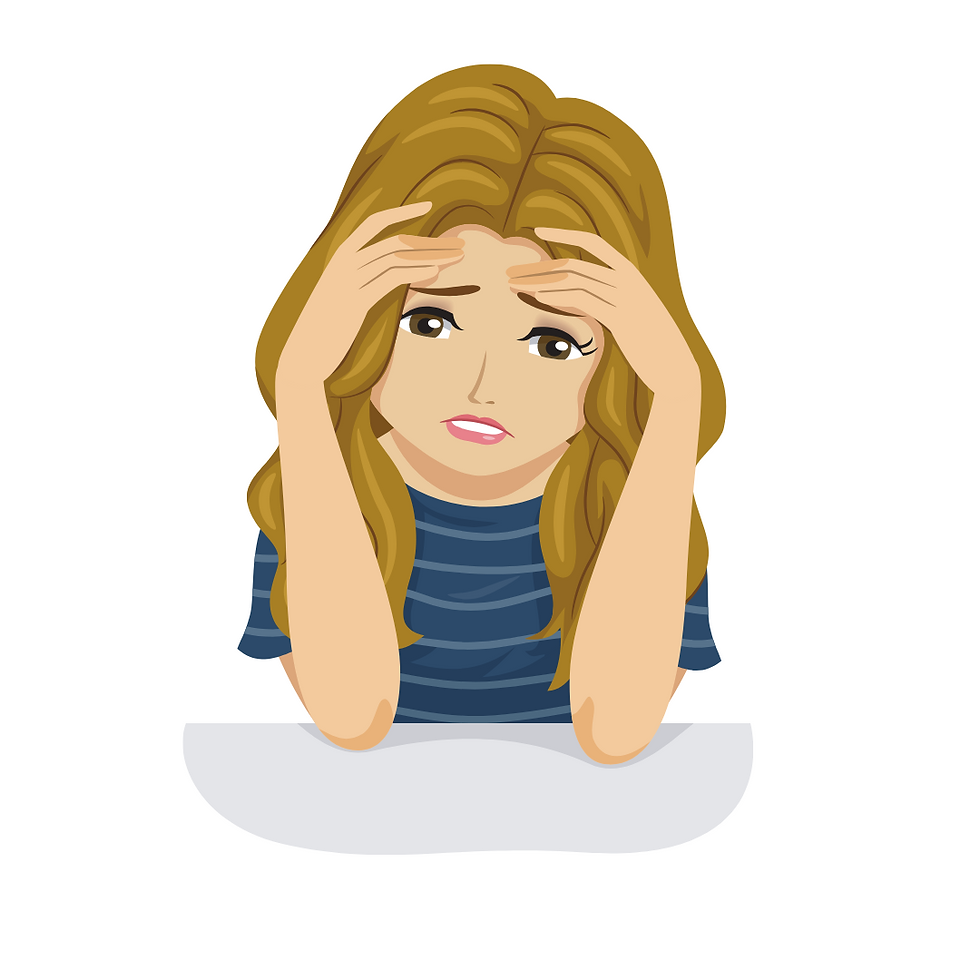
Anxiety is a feeling of uncertainty, you may feel worried or anxious about a recent event, or an event that you have due to come up. A job interview or an unexpected last minute situation. There are a combination of factors that play their role in anxiety so pin pointing just one cause is harder than one may have thought. Genetics play a huge role as Anxiety can often be related to a disorder that may have been hereditary. Anxiety often occurs when your brain hasn't had the chance to properly process the information it has received, so the information you have received leads to panic and then the feelings of Anxiety begin. Anxiety has no time frame, it can be short lived few minutes, hours or days. It can even last for months or years, leaving you with long term anxiety disorder.
Below are some key areas that could help induce the risk of Anxiety:
Stress: Everyone encounters stress at some point in their life and on a regular basis, career, relationship issues and pressures of life lead to stress.
Genetics: You could develop Anxiety if a family member for example parent has this disorder.
Trauma: If you have gone through severe trauma, in the military or police force and experienced traumatic events,this too can cause forms of anxiety
So what is the difference between depression and anxiety?
Depression is linked to one illness, one issue however anxiety is linked to a multitude of symptoms, which can vary in different people. If you are suffering from depression you may have feelings of:
Guilt
Worthlessness & low self esteem
thoughts of death and suicide
With anxiety you could feel slightly more
On edge
Irritable
There are some things you can look out for, especially in other people if you suspect they have gone through some emotional changes. It is very difficult for someone to spot depression within themselves and especially admit it. Society is trying very hard to normalise mental health issues as so many of us are affected by this at some stage of our lives.
Fatigue/ Tiredness
Lack of concentration
irritable can't keep still
Lack of wanting to see friends or family
Trouble sleeping
Changes in Weight
For Anxiety disorder issues such as:
Sweating
Dizziness
Diarrhoea
short breath
I know that overcoming anxiety and depression is not a quick fix but there are some mindfulness tips that can certainly help you, at least bring you back to the present as you begin to slowly lose yourself and focus.
Ensure to download the checklist below and refer to it any time you feel you are becoming anxious and remember there is always some one out there you can talk to, so please make sure you reach out for help.


Comments